
What is Renewable Energy?
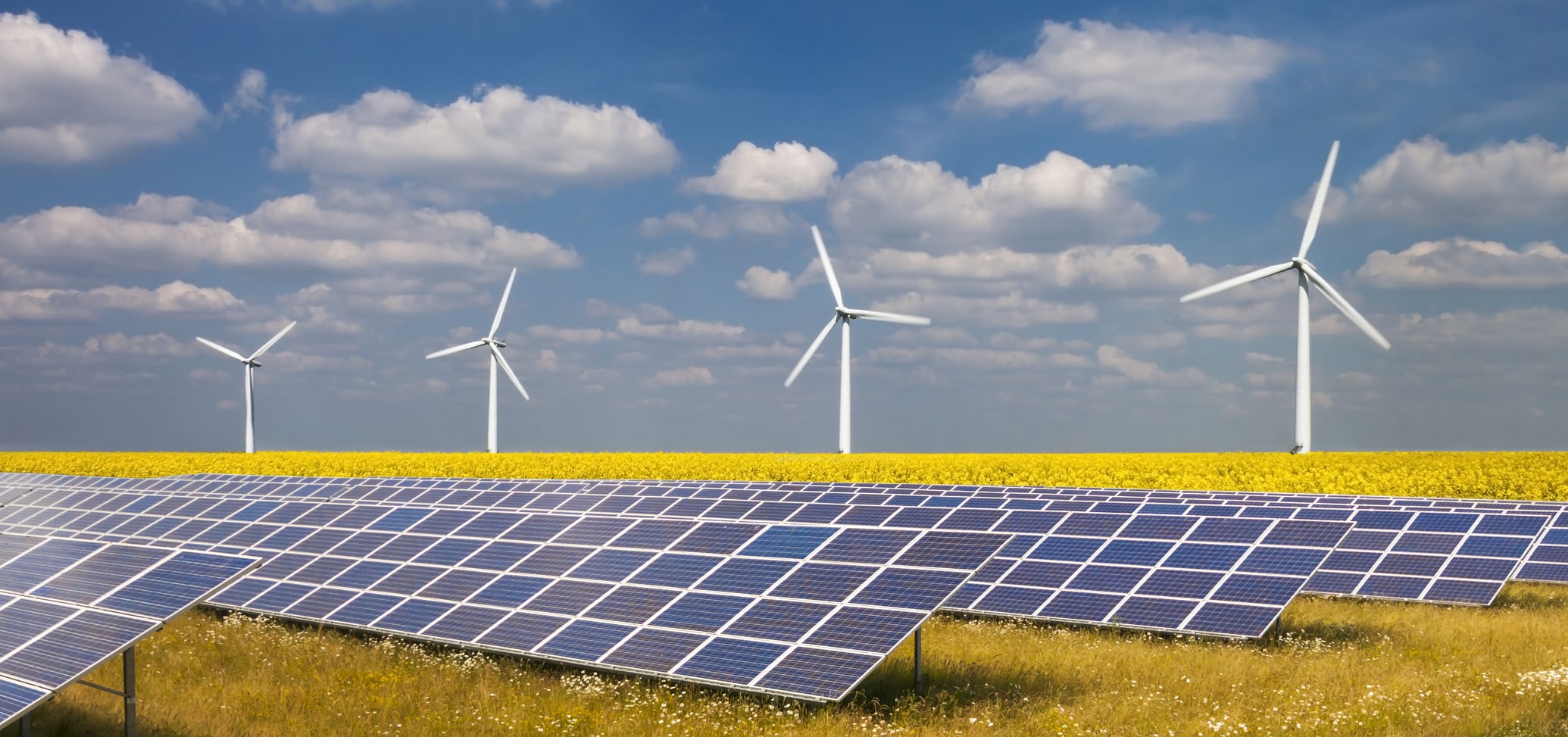
Renewable energy is electricity that comes from sources that produce little or no emissions. Such unlimited, naturally replenished sources include sunlight, wind, waves, geothermal (heat from the Earth), biomass (organic matter) and landfill gas. This type of energy is “naturally replenishing but flow limited,” according to the U.S. Energy Information Administration (EIA). Although renewables are inexhaustible, the amount of power produced in a specific time period is restricted. So how does renewable energy fit into the larger (energy) picture?
According to the University of Michigan (U-M) Center for Sustainable Systems, about 80% of the nation’s energy comes from fossil fuels, 8.4% from nuclear power and 11.4% from renewable sources. Wind and solar are the fastest-growing renewable sources; however, they provide just 3.8% of the total energy used in the U.S., according to the U-M center.
In 2019, renewable energy sources accounted for about 17% of energy generation, according to the EIA. The administration projects that the share of renewables used for U.S. electricity generation will increase from 21% in 2020 to 42% in 2050.
Types of Renewable Energy
Wind Power, which is uses wind energy to make electricity. Wind occurs because the sun cannot heat the surface of the earth evenly. Today, wind energy is mainly used to generate electricity. In 2019, wind turbines were the source of approximately 7.3% of the total U.S. utility-scale electricity generation.
Geothermal Energy is energy garnered from the heat of the earth. This type of energy can be used in different ways depending on the resource and technology chosen, according to the U.S. Department of Energy (DOA). It can heat and cool homes and buildings through heat pumps, generate electricity via geothermal power plants, and heat structures directly.
Solar Power, or energy from the sun, is the most abundant energy resource on earth according to the DOA, with 173,000 terawatts of solar energy striking the earth continuously. That is more than 10,000 times the world’s total energy use. Solar panels that take in the sun’s energy are made of silicon photovoltaic cells that convert sunlight into electricity instead of heat (photovoltaic = photo as in light, and voltaic = electricity).
Hydroelectric power relies on the water cycle for power. According to the EIA, hydropower was one of the first sources used for electricity generation and it is the largest single renewable energy source for U.S. electricity generation. Besides dams, other forms of hydropower include waves and tides.
Biomass is organic material that comes from plants and animals. Examples of biomass include wood, agricultural crops; food, yard and wood waste in garbage; and animal manure and human sewage. According to the EIA, biomass fuels provided 5% of total primary energy use in the U.S. in 2019.
What are the Benefits?
A variety of benefits come from the use of renewable energy. These benefits include the reduction of greenhouse gas emissions, lower levels of air and wastewater pollutants. Benefits also include a decreased reliance on non renewable energy sources. such as coal, oil, natural gas and nuclear energy.
Voluntary Green Pricing Program
All Lowell Light & Power customers have the option to choose the amount of electricity purchases that come from renewable sources. Our Voluntary Green Pricing Program empowers customers to make the best decision for their home or business. Learn more in the FAQ’s below.
Learn More About LL&P’s Power Supply
Visit the Why Public Power? page to learn more about the benefits of public power and where we get our power supply.