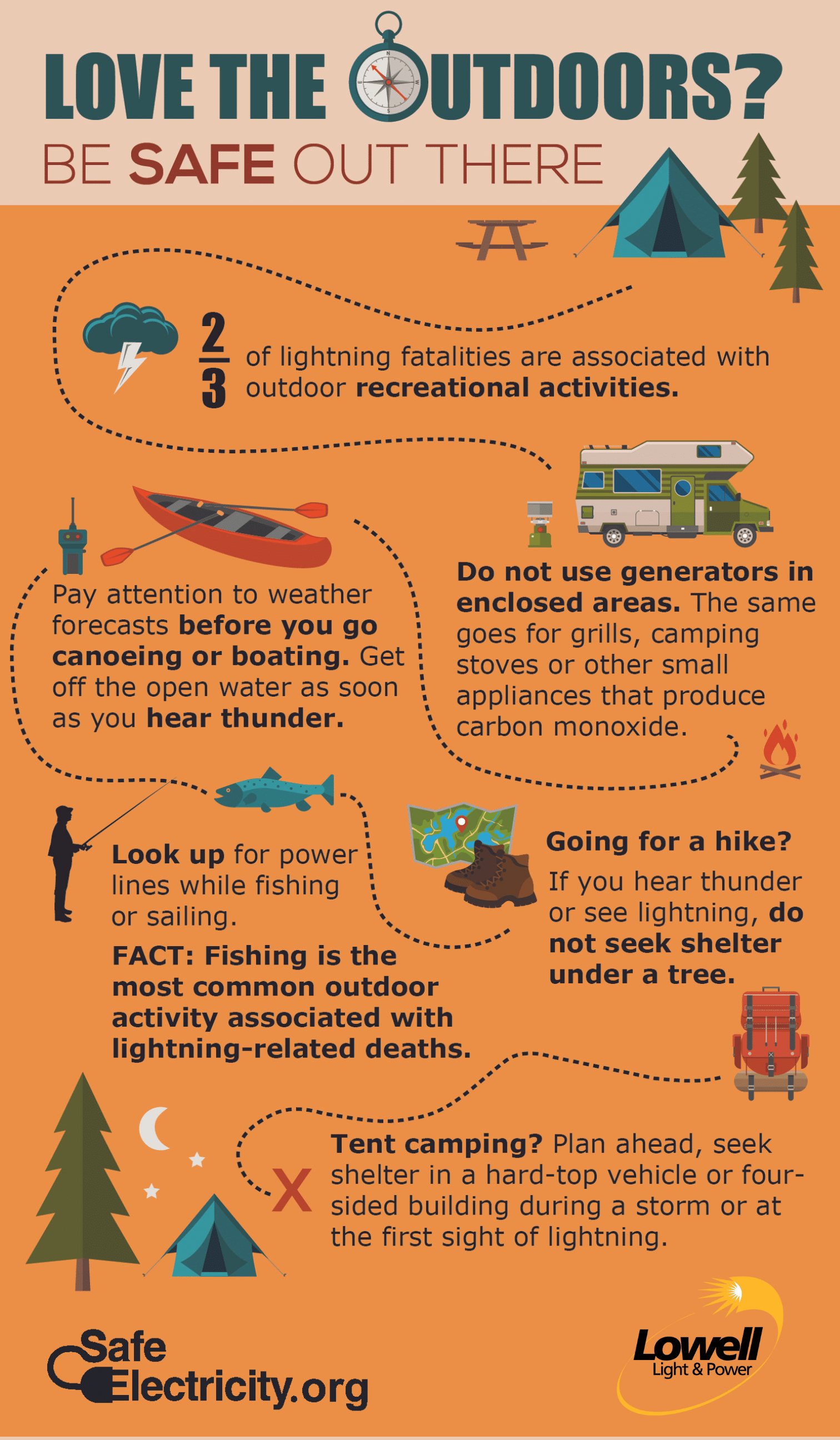

You may be ready to hit the road and enjoy a little away before summer ends. Unfortunately, we rarely discuss RV safety while planning our next adventure. If you are travelling in an RV or converted bus, keep in mind using generators to power them can turn deadly.
Today’s higher end recreational vehicles provide many of the creature comforts of home, such as microwaves, refrigerators and other small appliances. We can now vacation or “leisure” with more conveniences than ever, and generators are often used to power all those appliances, electronics and other gizmos.
The Danger of Carbon Monoxide
Carbon monoxide (CO) is an odorless, colorless gas that is produced any time fuel is burned. Along with generators, devices or appliances that produce the invisible gas include vehicles, small engines, grills, fireplaces, camping stoves, gas ranges and furnaces. CO can build up indoors or in any enclosed space and it poisons people or animals who breathe it in.
Reports of people getting sick and in some cases dying from RV-related carbon monoxide poisoning have hit the news in recent years. In 2018, one racing fan died and another was hospitalized after they were exposed to CO in a converted bus at Texas Motor Speedway in Fort Worth. The CO poisoning was caused by a gasoline-powered generator that was not properly ventilated.
In 2016, two men died at the Talladega Superspeedway in Alabama. They were found dead in a camper in the campground section of the speedway. The confirmed cause of death for one of the men was CO poisoning.
RV Safety Tips When Using Generators
Safe Electricity and Lowell Light & Power provide these tips to keep in mind while enjoying your RV or other mobile digs. Whether your generator was factory installed or you are using a portable one:
- Inspect the exhaust system on the generator before using it and make sure it is in good working order.
- Do not operate a generator with a damaged exhaust system, one that needs repairs or has other problems.
- If you are using a portable generator, always make sure the exhaust is directed away from the camping area.
- Listen for problems (e.g. surging sound) when starting your generator, especially if it has been inactive for several weeks.
- For that reason, run the generator at least once a week. This decreases moisture in the system and lubricates the engine seals and components to prevent carbon buildup.
- Properly maintain your generator.
- Do not use it at night.
Although many people are aware CO poisoning can occur in homes, they may not stop to consider other enclosed spaces. Safety precautions must also be taken in zipped tents and recreational vehicles.
For more information about electrical safety, check out our Energy Saving and Safety page, and visit SafeElectricity.org.